Welcome to the Future.
From today's operating logic into futures participants can feel, question, and shape.
Workshop Concept
Invites participants to temporarily become futurists to help them move from present-day operating mode and into a more imaginative future posture.
Roleplay
As Time Masters, Navigators, Architects and more
Time Travel
Explore various futures
Breakfree
From today's operating logic
Workshop Outline
Initiation
The Time Stream
Redefine healthcare
Return to the Present
Transmission from one possible future
This is not a prediction. It is a warning signal from a future we can still shape.
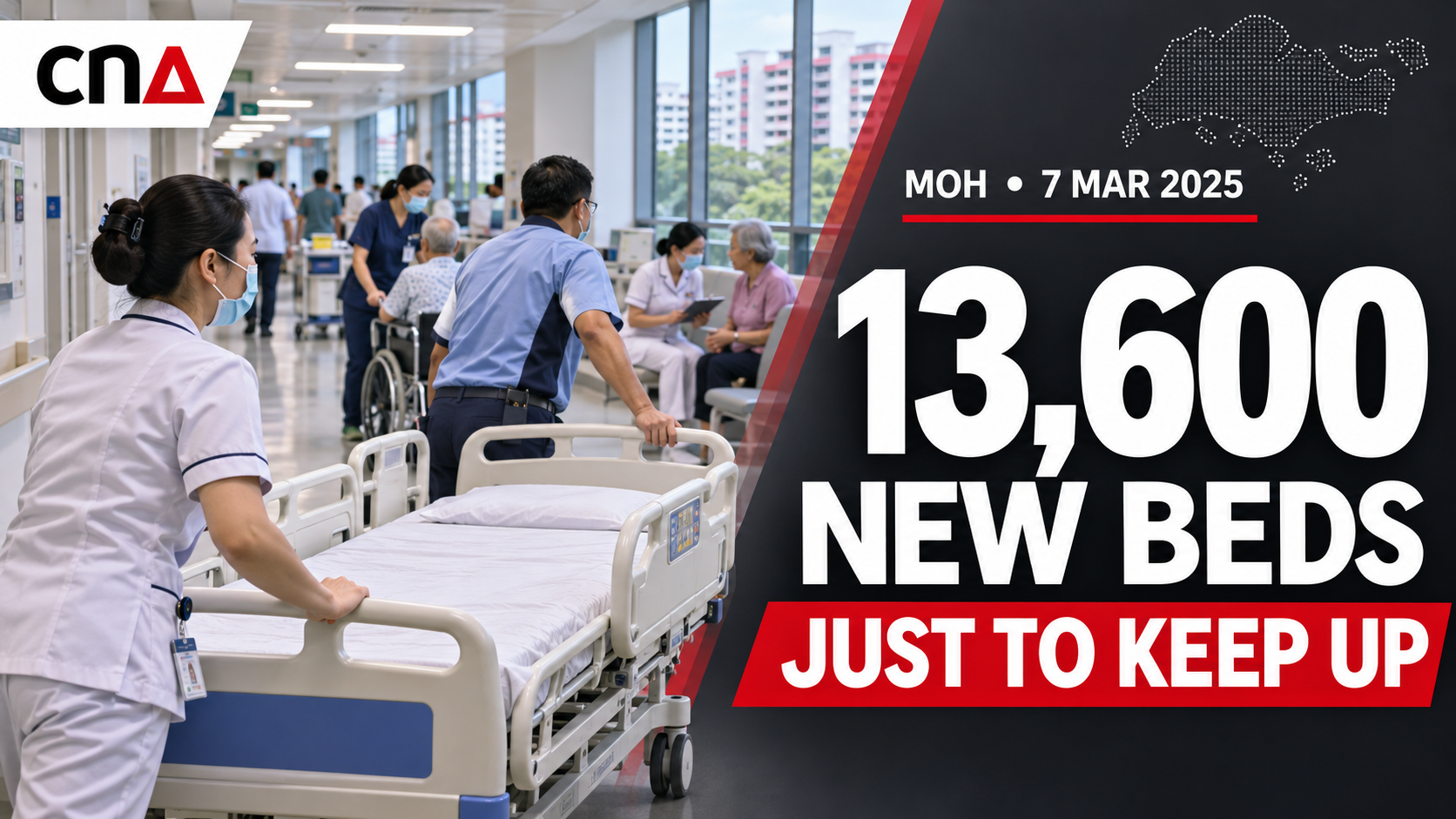
We kept building faster. But the health needs of our population grew faster still.
No matter how hard we worked, healthcare capacity could not keep up. Teams stretched, burnout deepened, and every incremental improvement delivered less return.
Eventually, unmet need became delayed care, avoidable harm, and widening inequity.
Health needs accelerate
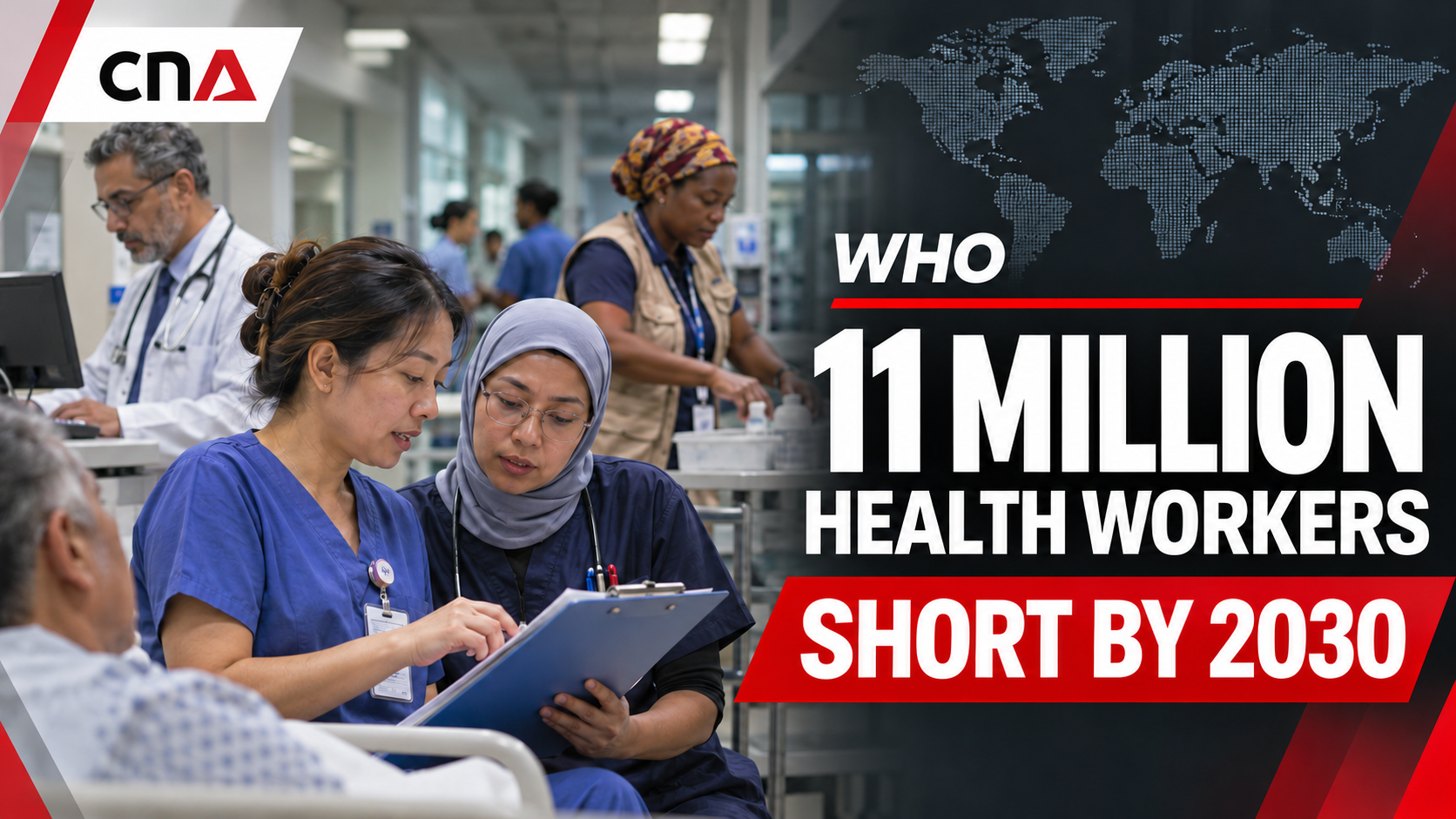
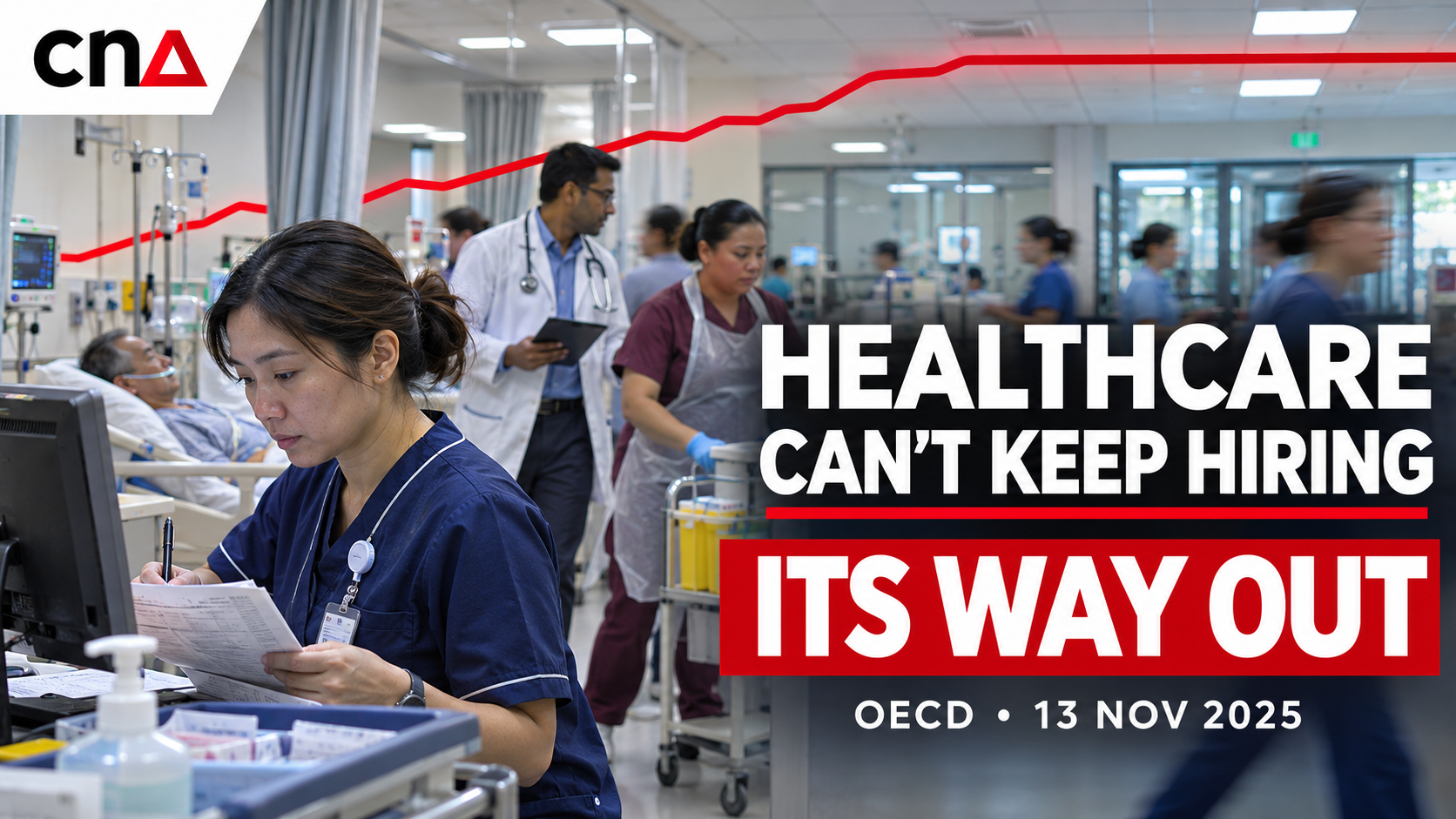
Workforce reaches its limit
Improvements barely move the needle
Delay becomes harm
What if the answer is not to build faster, but to imagine a different system?
The signs were already there.
Dan's Field Notes
Six encounters with the operating logic patients and care teams navigate every day.
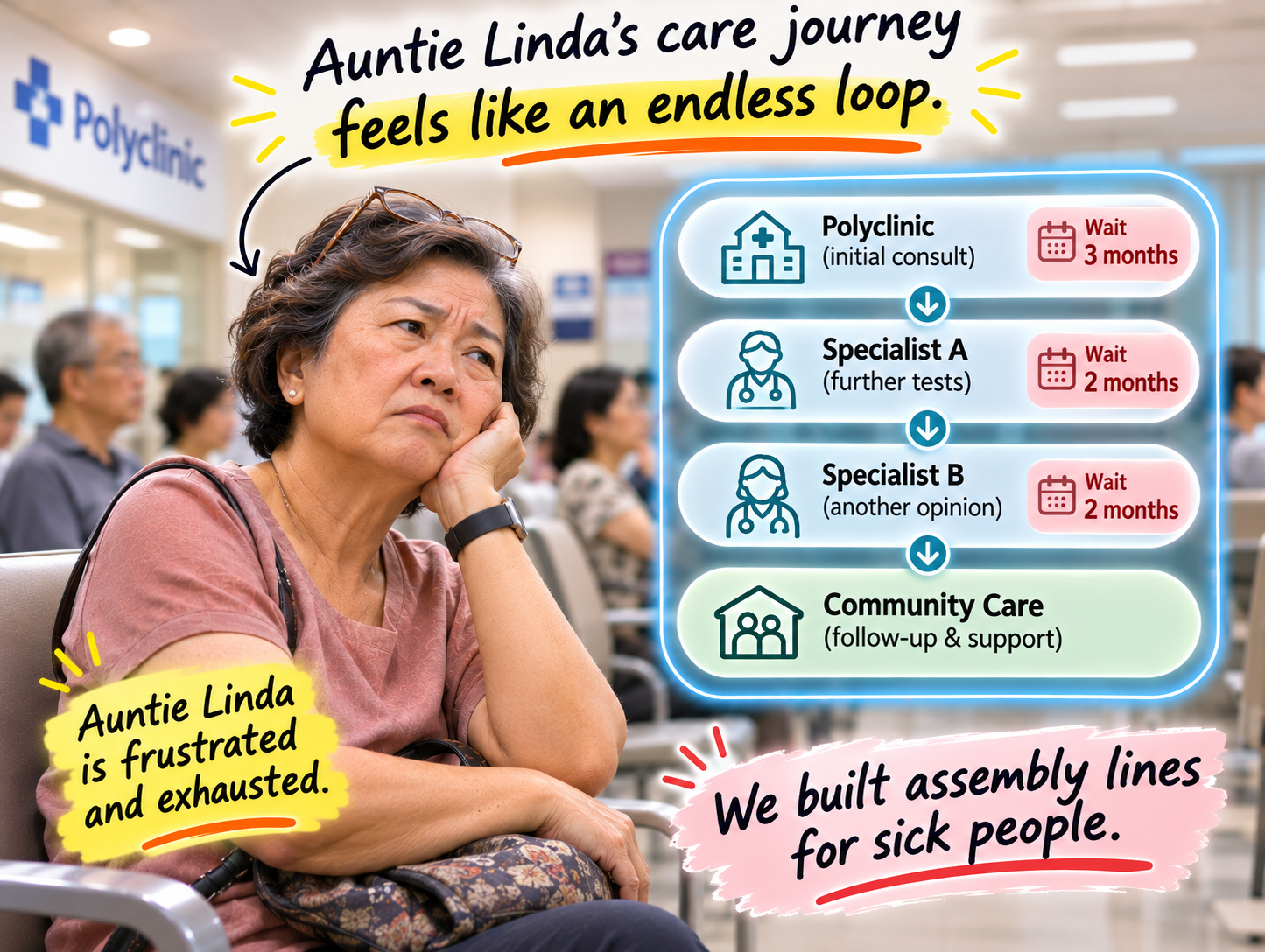
Entry 01: Waiting time seems unsolvable
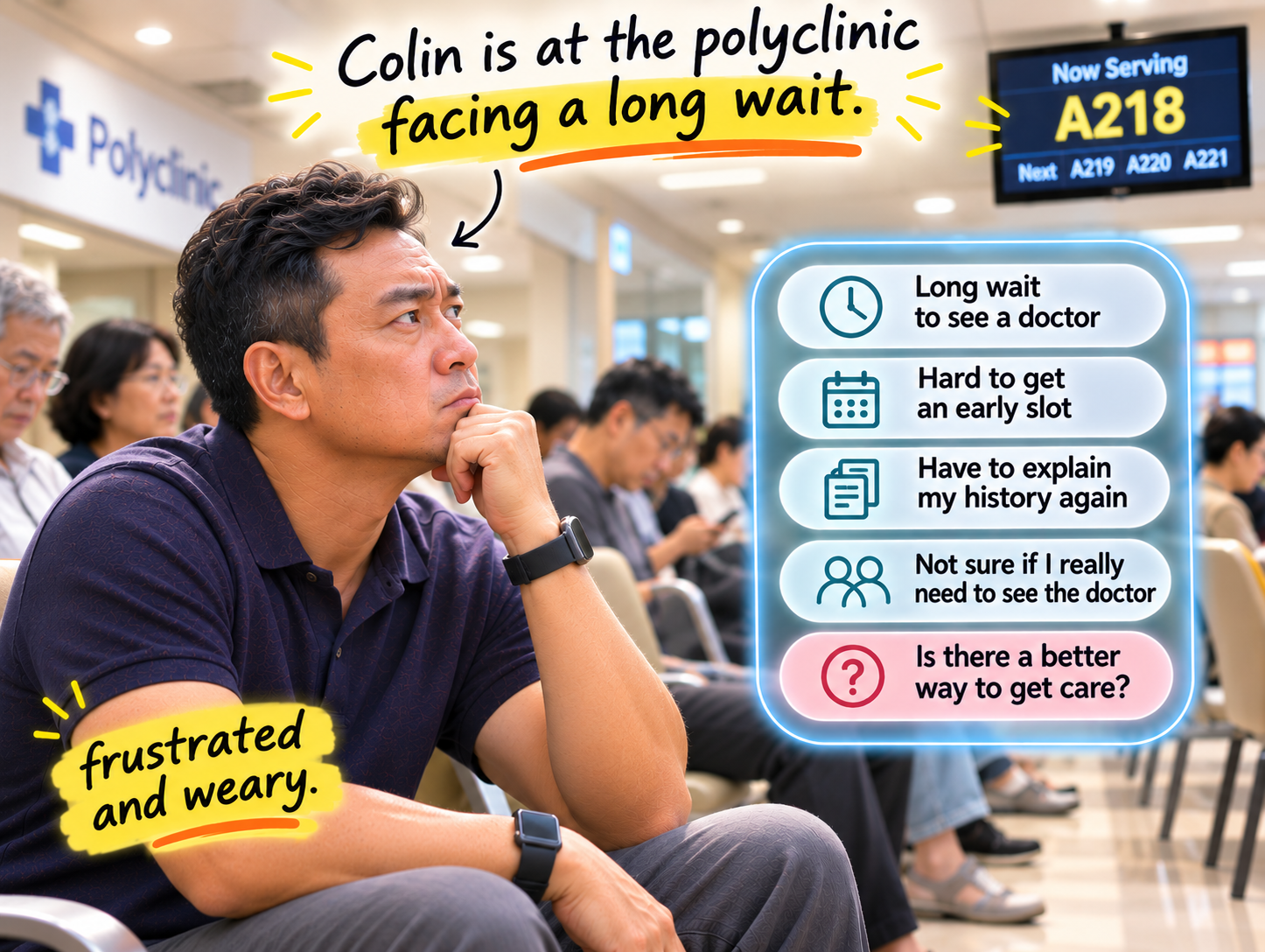
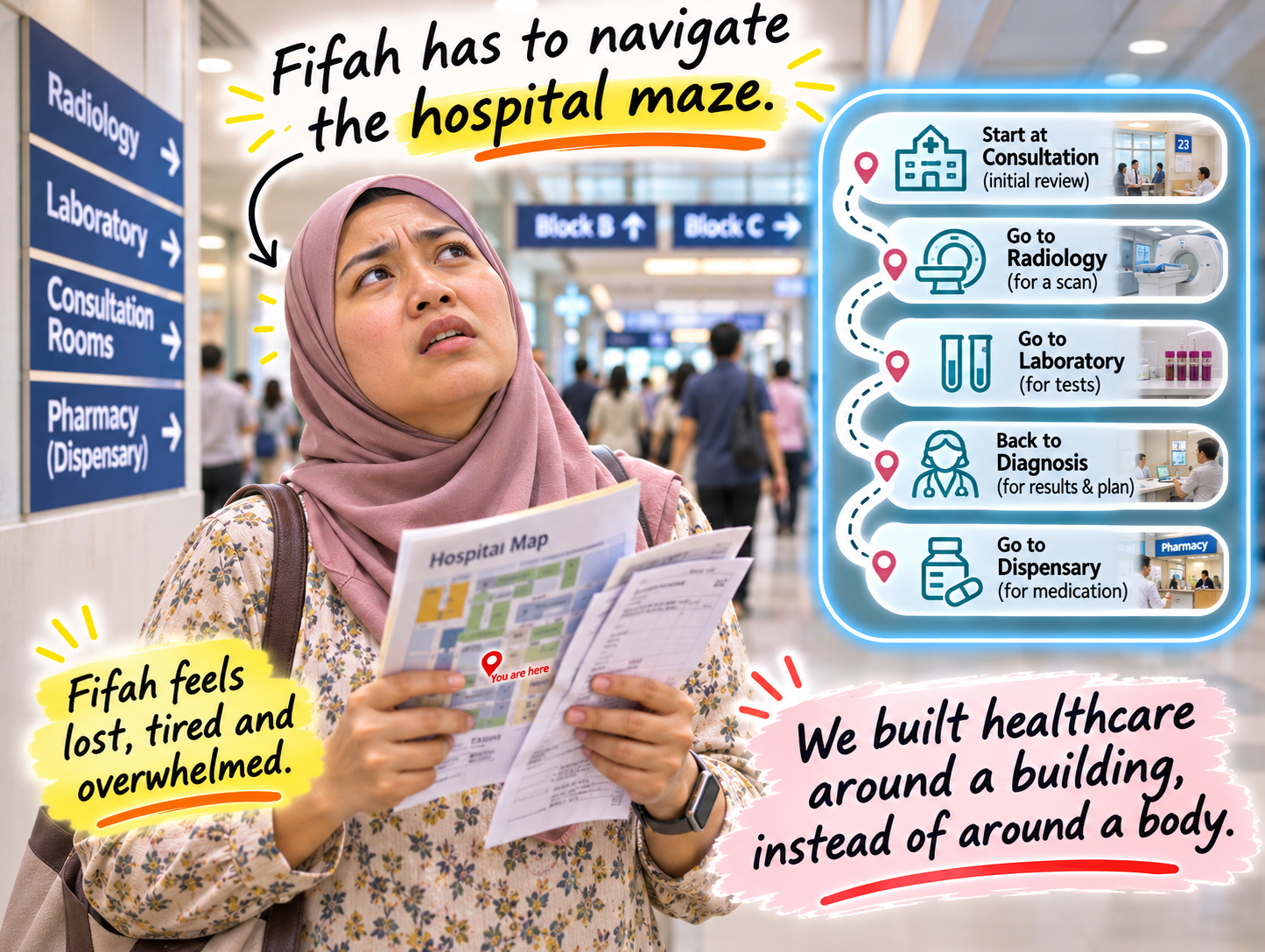
Entry 02: Care feels like a maze
Entry 03: Queue systems everywhere
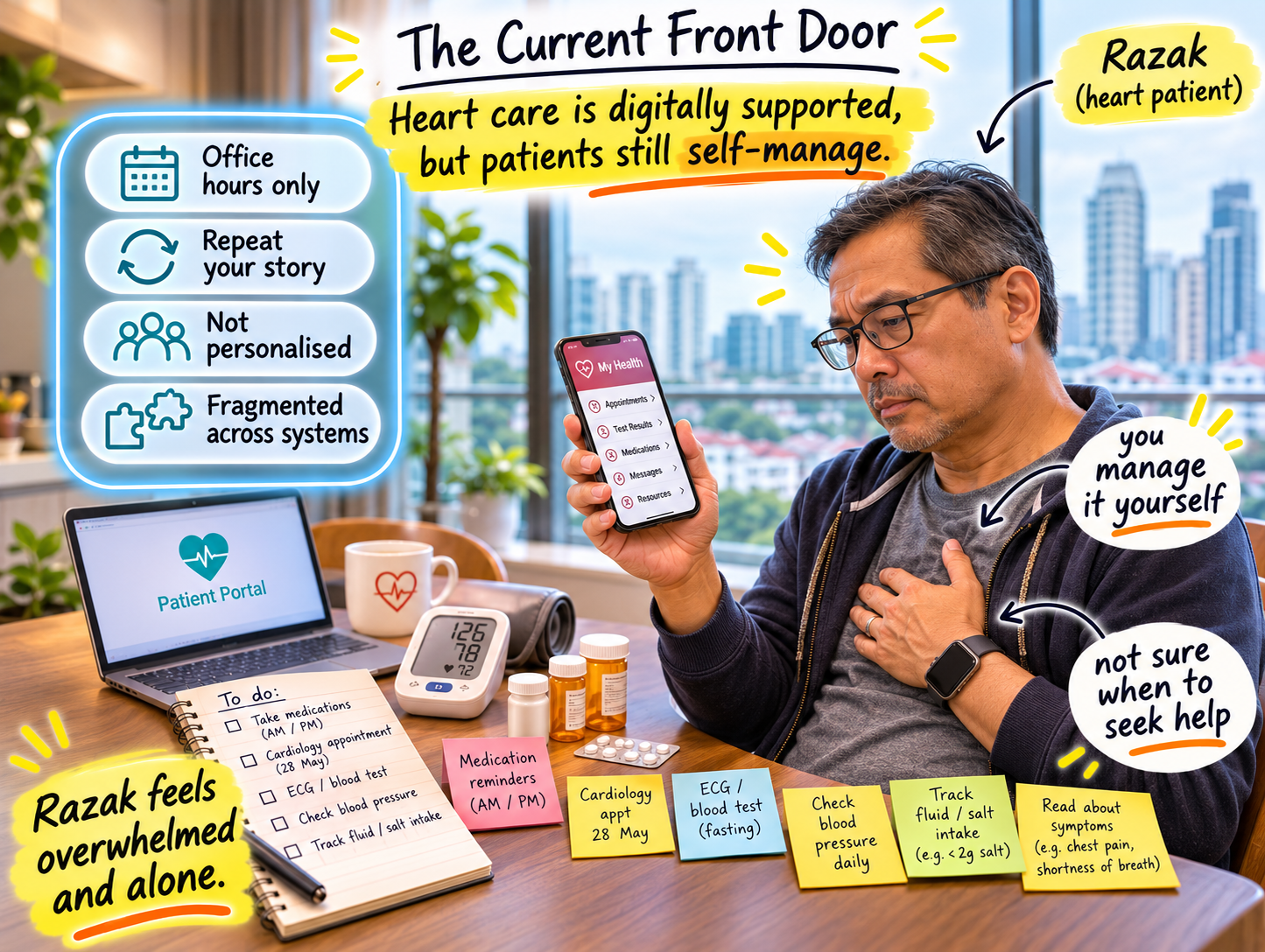
Entry 04: Patients are the integration layer
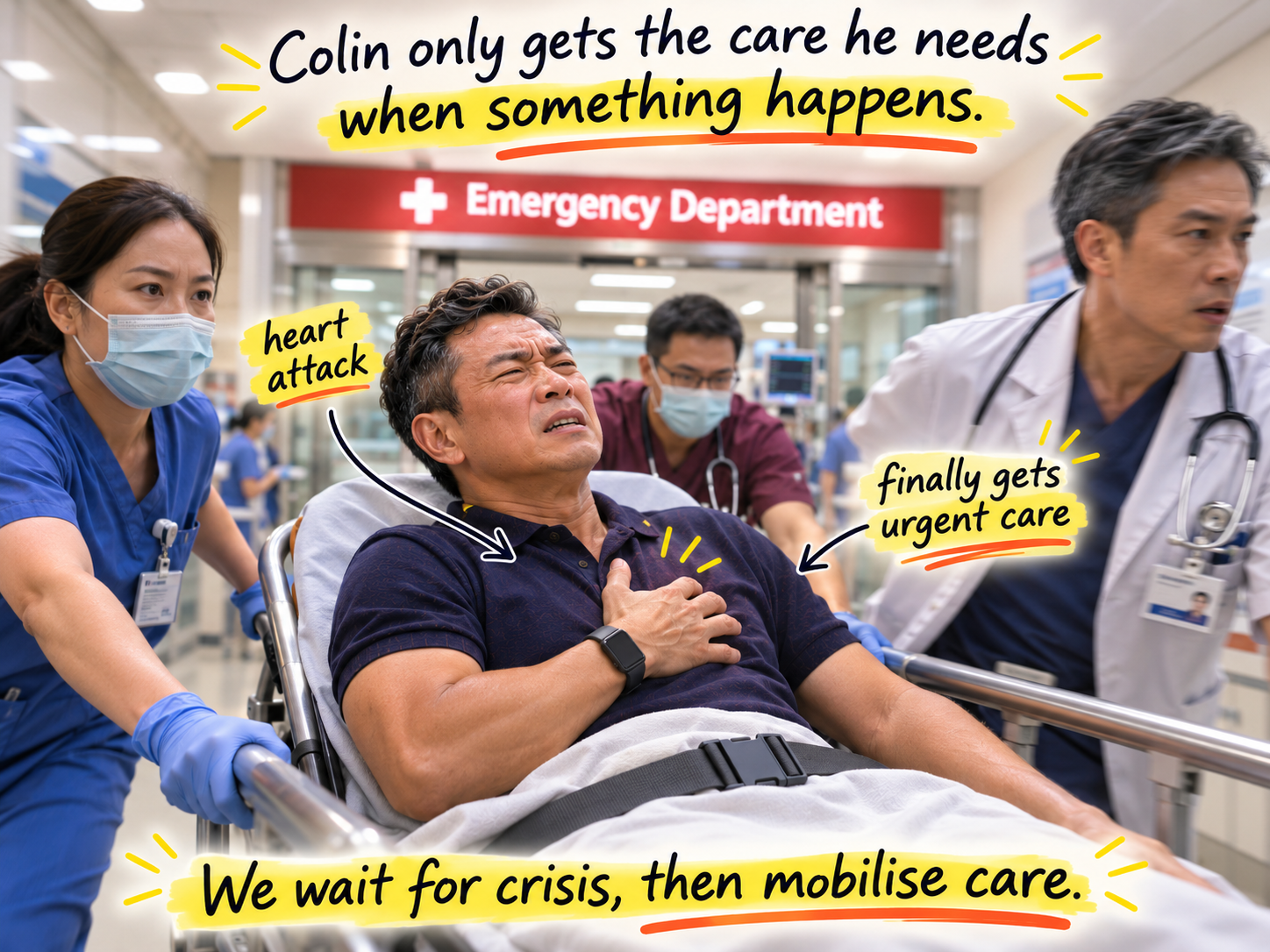
Entry 05: Care arrives only after crisis
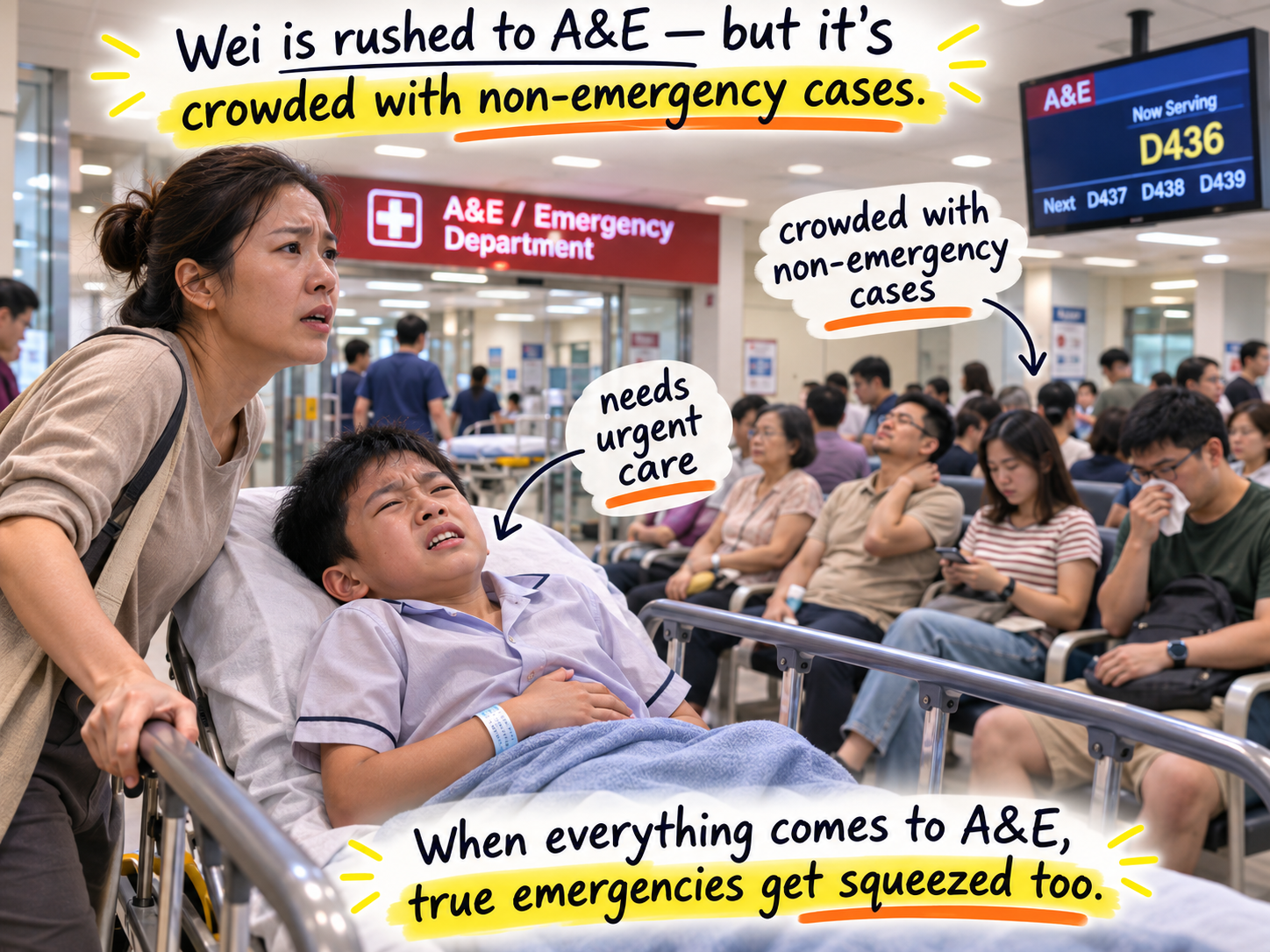
Entry 06: A&E has become the catch-all front door
Mission Briefing
Leave
Today's operating logic
Travel
Through time to different worlds
Learn
What each future makes possible
Return
Redefine healthcare
Patient experience
What do patients experience differently?
Work removed
What work disappears entirely?
Total resources
How does total resource use change?
Workshop Outline
Initiation
The Time Stream
Redefine healthcare
Return to the Present
Travelling through worlds of possibility
Each world contains one bold idea. We land, explore its rules, then move on.
Digital phenotypes
Next stopAI-first care
AI companions
Installable expertise
In this world AI becomes the first point of care
AI performs the clinical reasoning, then directs patients and their care teams on what to do next.
Patient feels unwell
Starts with AI, not an appointment.
AI reasons first
History, diagnosis, tests and plan.
Shared care plan
AI sends instructions directly to both.
Patient + care team
Act together on coordinated next steps.
What if AI became the first point of care?
AI clinical task stack
14 tasks / completed first- Take medical history
- Ask diagnostic follow-up questions
- Summarise patient records
- Identify possible diagnoses
- Select the most likely diagnosis
- Integrate symptoms, history and test results
- Decide which tests to order
- Interpret laboratory results
- Develop treatment plans
- Select appropriate medications
- Decide on admission versus discharge
- Plan follow-up appointments and investigations
- Manage patients over multiple consultations
- Recognise uncertainty and defer cases
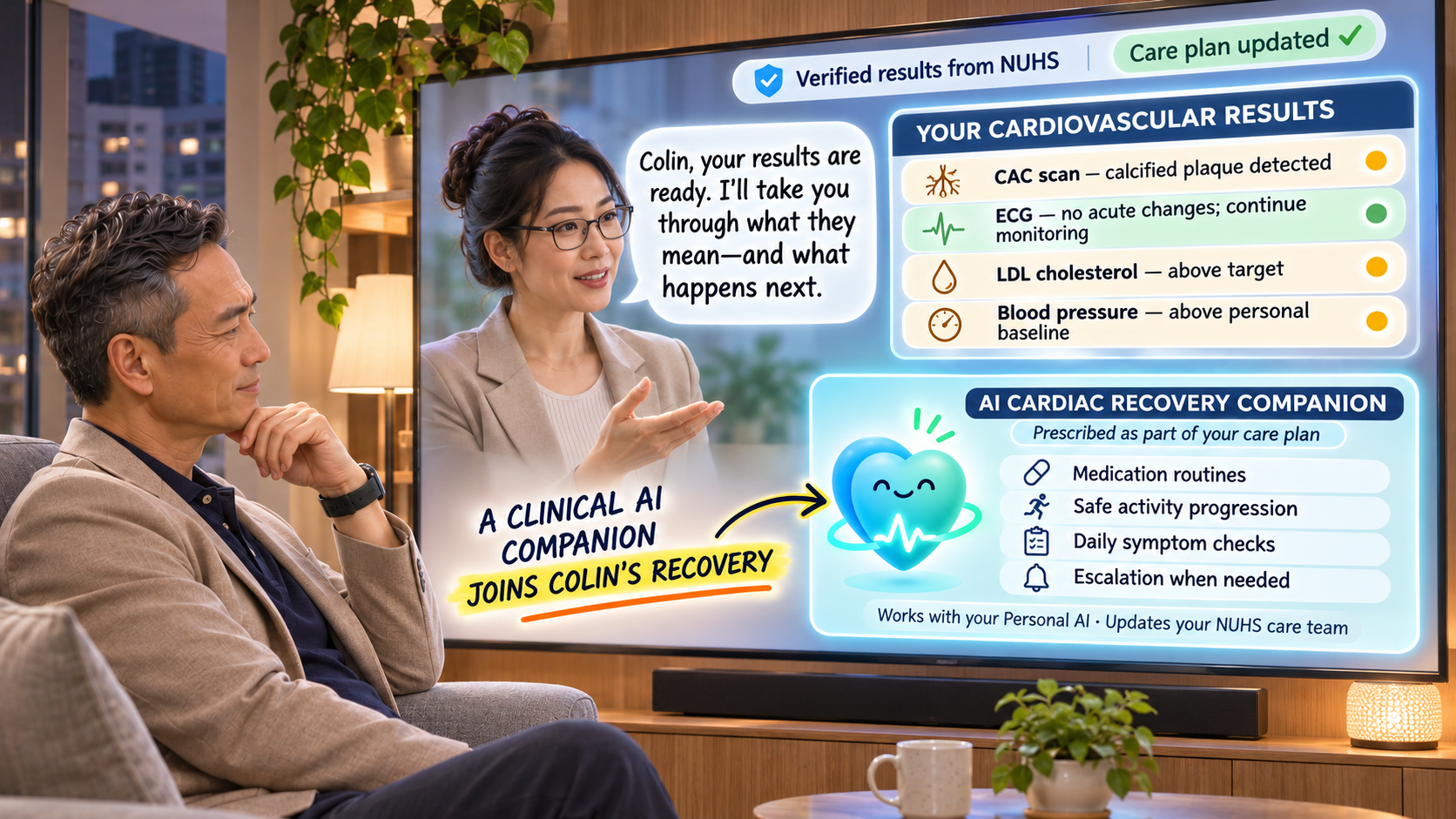
In this world AI companions are prescribed like medicine
The prescription is the AI companion, configured for the person's condition, context, goals, and care plan.
Patient need profile
The companion changes as the person's needs change. The prescription is reviewed like any other care intervention.
Your prescribed companion is ready
Rx matched / activatedAYA
Your Recovery Companion
What if the prescription was an AI companion matched to you?
In this world Care follows a living digital phenotype
Continuously updated signals enable personalized diagnosis, safer treatment, continuous care, and relapse prevention.
Longitudinal health profile
Digital phenotype
Personalized Diagnosis & Safe Treatment
Care decisions reflect the person's current patterns, risks, and likely response.
Continuous Care & Relapse Prevention
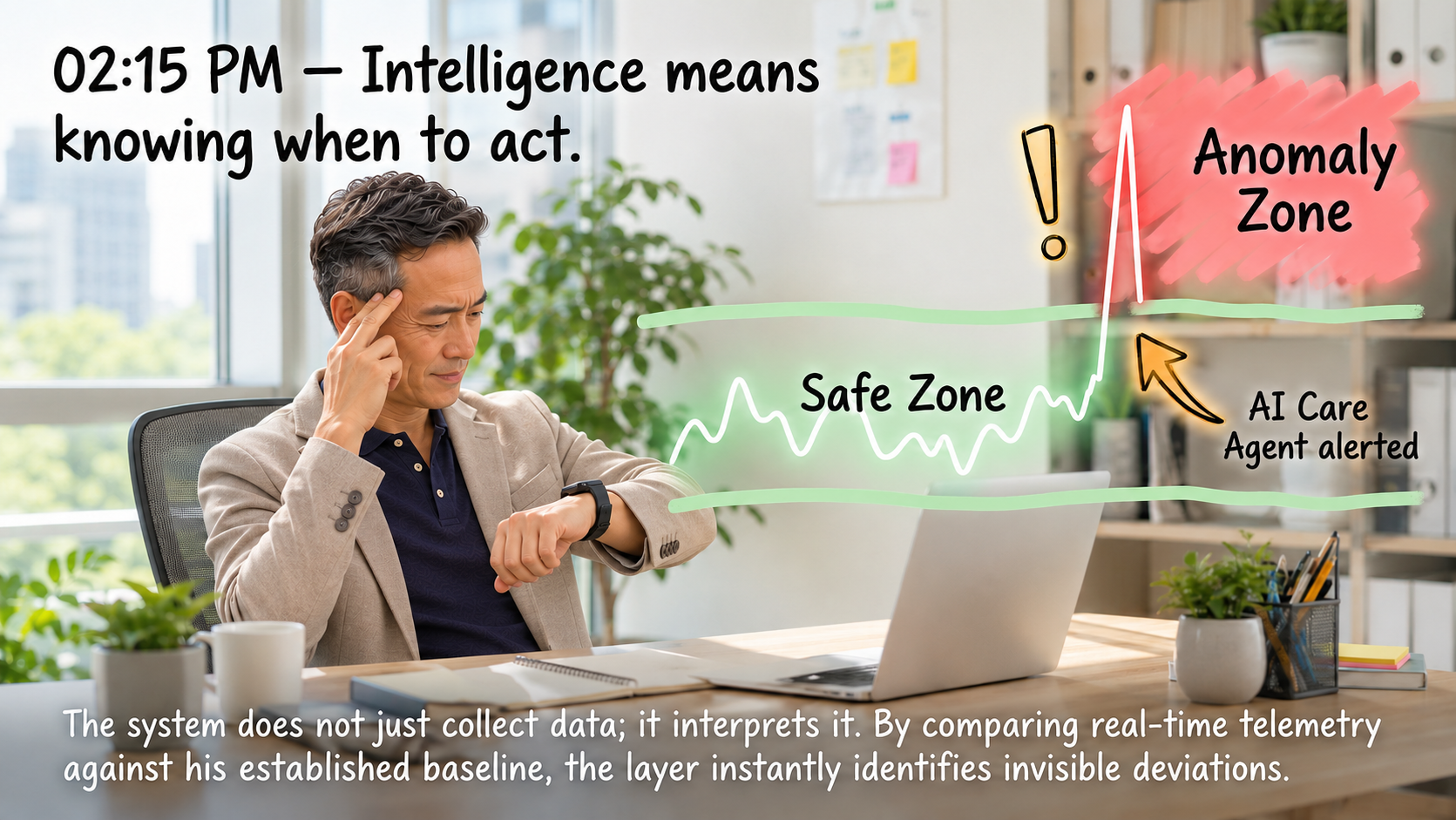
Subtle changes trigger support before deterioration becomes a crisis.
What if care followed a living picture of you?
In this world Specialist intelligence becomes installable
Specialist intelligence is packaged, certified, updated, and embedded into any system precisely when that expertise is needed.
Install expertise wherever care happens
The system gains a specialist without moving a person.
Home diagnostic
Cardiology expertise appears inside a household device.
Ambulance scanner
Imaging expertise travels with every emergency crew.
Surgical robot
Oncology intelligence joins the procedure on demand.
Neighbourhood pod
Geriatric expertise is available within every community.
What if specialist expertise could be installed wherever care happens?
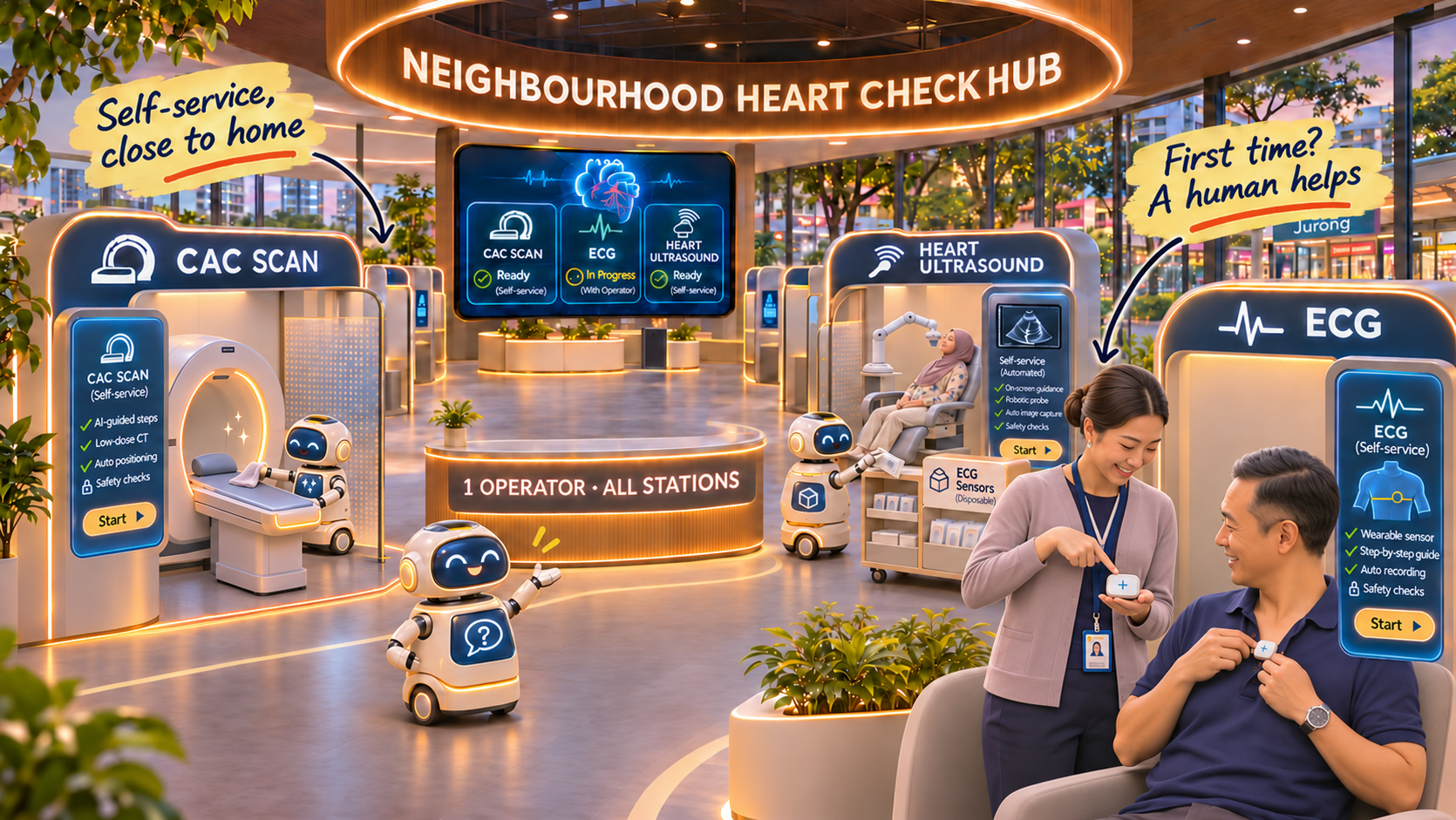
In this world Trained operators deliver most care
People qualify quickly to operate AI-enabled devices, follow validated protocols, and escalate only when specialist judgment is needed.
Device signals
Scans, tests, images, and measurements.
Screens + diagnoses
Interprets results and selects the validated next-step protocol.
Train for a safe role, not an entire profession
Focused certification grows the workforce much faster.
Learn the device
Setup, operation, hygiene, and quality checks.
Practise the protocol
Follow AI-guided steps across common scenarios.
Certify the scope
Demonstrate safe performance and clear limits.
Escalate exceptions
Route uncertainty and complex cases to clinicians.
What if access depended on many safe operators, not scarce specialists?
In this world Chief Nurses orchestrate the care network
Clinical leadership becomes real-time systems strategy: matching AI capacity, care workers, hospital teams, and community partners to changing needs.
Clinical judgment at system scale
What if Chief Nurses orchestrated people, AI, and partners across the whole care network?
In this world AI trains care teams at scale
Doctors, nurses, and therapists practise safely, receive instant coaching, and qualify faster to meet rising healthcare needs.
A faster path to demonstrated competence
More practice opportunities without putting real patients at risk.
Practise realistic cases
Unlimited simulated patients across conditions and complexity.
Receive instant AI coaching
Reasoning, communication, teamwork, and safety feedback.
Target individual gaps
Every learner receives the next case they most need.
Prove competence sooner
Qualify when standards are demonstrated, not simply when time passes.
More qualified people. Same safety bar. Faster.
Training capacity scales with rising healthcare demand.
What if every learner practised thousands of cases before treating a real patient?
In this world Doctors and AI train each other
Like elite chess and Go training, clinicians and AI repeatedly challenge each other, expose weaknesses, adapt, and rematch.
Doctor
Judgment, context, empathy, and rare edge cases
AI
Patterns, simulations, counterexamples, and relentless practice
A continuous co-evolution loop
Neither side stays static. Every round reshapes the next.
Challenge
Present a case designed to expose a weakness.
Explain
Make the reasoning visible and contestable.
Adapt
Update the model, strategy, or clinical judgment.
Rematch
Return with a harder case and a higher standard.
The frontier is human + AI performance
The goal is not to preserve who wins, but to keep raising what excellent care can achieve.
What if doctors and AI trained against each other until both became better?
In this world Clinicians engineer their own care devices
Doctors, nurses, and therapists rapidly create low-cost devices for treatment at home, in care pods, and across neighbourhoods.
Care need
People need safe treatment closer to where they live.
Validated device
Low-cost, focused, and ready for distributed care.
Many small devices. Care everywhere.
Products are designed around a specific need and deployment setting.
Smart wound patch
Monitors healing and guides dressing changes after discharge.
Portable diagnostics kit
Runs essential tests without a full clinic footprint.
Modular therapy station
Supports shared rehabilitation close to where people live.
What if care teams engineered the devices they need?
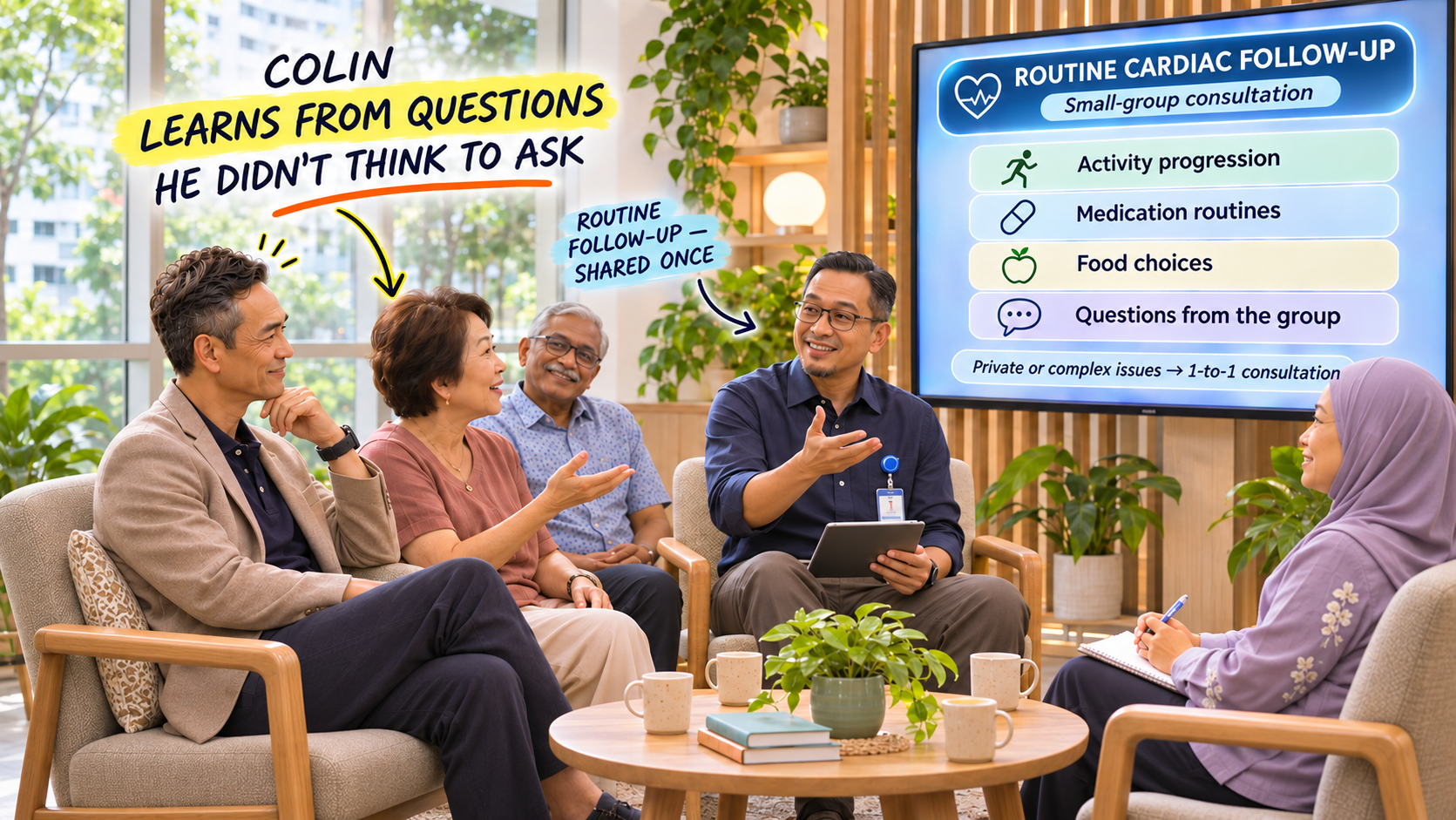
In this world Doctors care for patients in groups
Care is organised around shared needs, not one appointment at a time.
What if doctors cared for patients in groups, not one at a time?
In this world Subsidies reward adherence
Financial support changes dynamically according to verified care-plan adherence.
What if higher adherence unlocked higher healthcare subsidies?
In this world Care is tested on your digital twin
Each new layer adds context, moves care from measurement to simulation, and keeps the intelligence below it.
Zero-risk simulation + true predictive medicine
What if we tested care on your digital twin before touching your body?
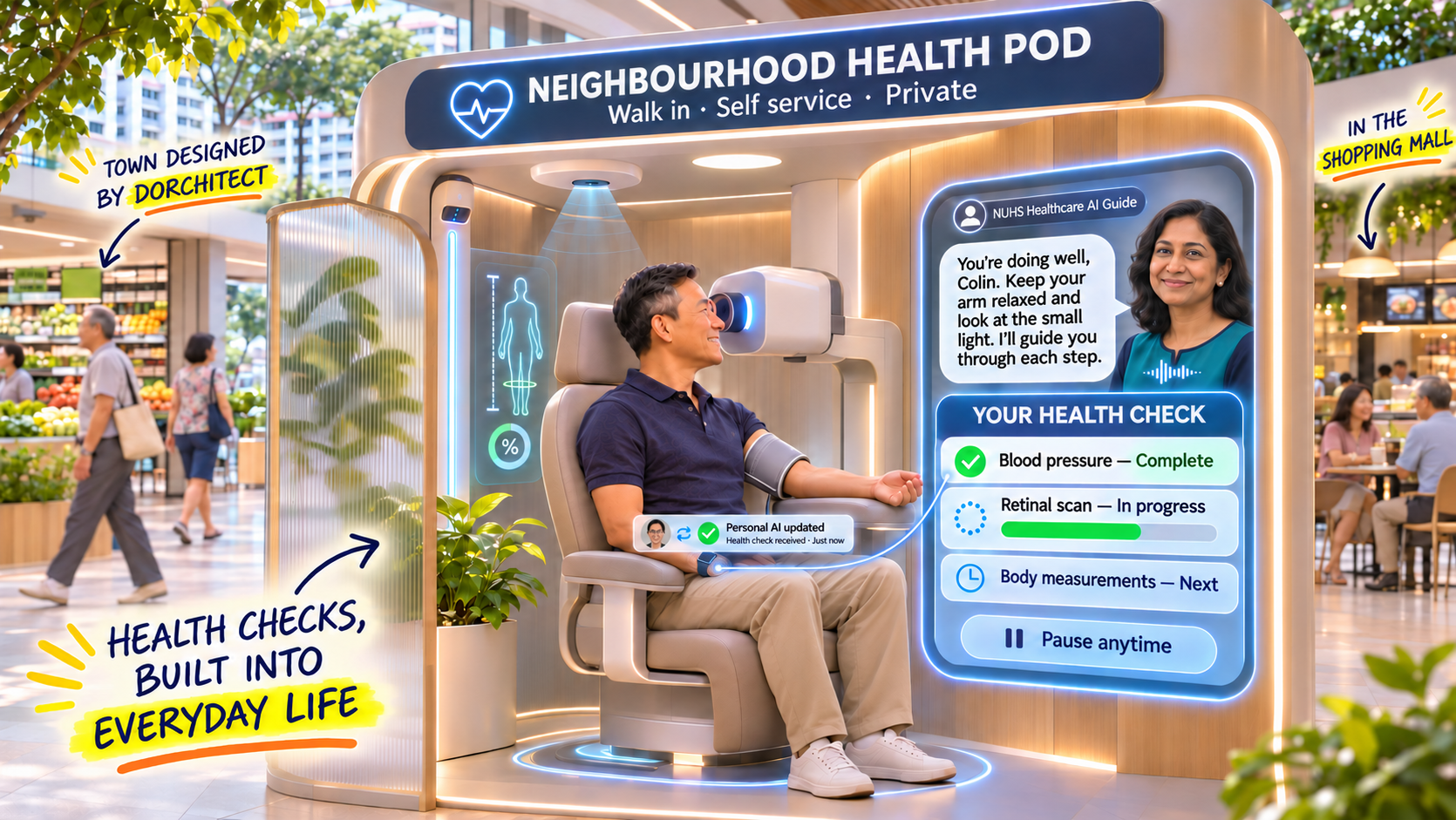
In this world Dorchitects design health into every HDB
A new profession combines clinical science, architecture, and community design to create homes that actively prevent illness and support lifelong wellbeing.
DORCHITECT
A new health-building profession
Diagnose places
Find where the built environment produces health risks.
Prescribe environments
Turn clinical evidence into spatial interventions.
Measure outcomes
Adapt homes and precincts using population data.
What if your home came with a health plan designed into the building?
In this world Civic Physicians treat the whole town
The town is the patient. Its citizens are the cells. Housing, air, mobility, food, and social connection become systems to diagnose and heal.
CIVIC PHYSICIAN
A new profession for population-scale healing
Diagnose the town
Read health patterns across places, systems, and populations.
Prescribe civic treatment
Change housing, mobility, food, air, and community conditions.
Monitor recovery
Track whether the town and its citizens become healthier together.
What if a doctor's patient was the whole town?
Tag and explore the worlds
The further we travel out in time, the wider the cone grows. The more we have to leave our comfort zones behind.
In breakout sessions, explore the worlds together.
How to tag
Choose one or more tags. There is no single correct answer.
Workshop Outline
Initiation
The Time Stream
Redefine healthcare
Return to the Present
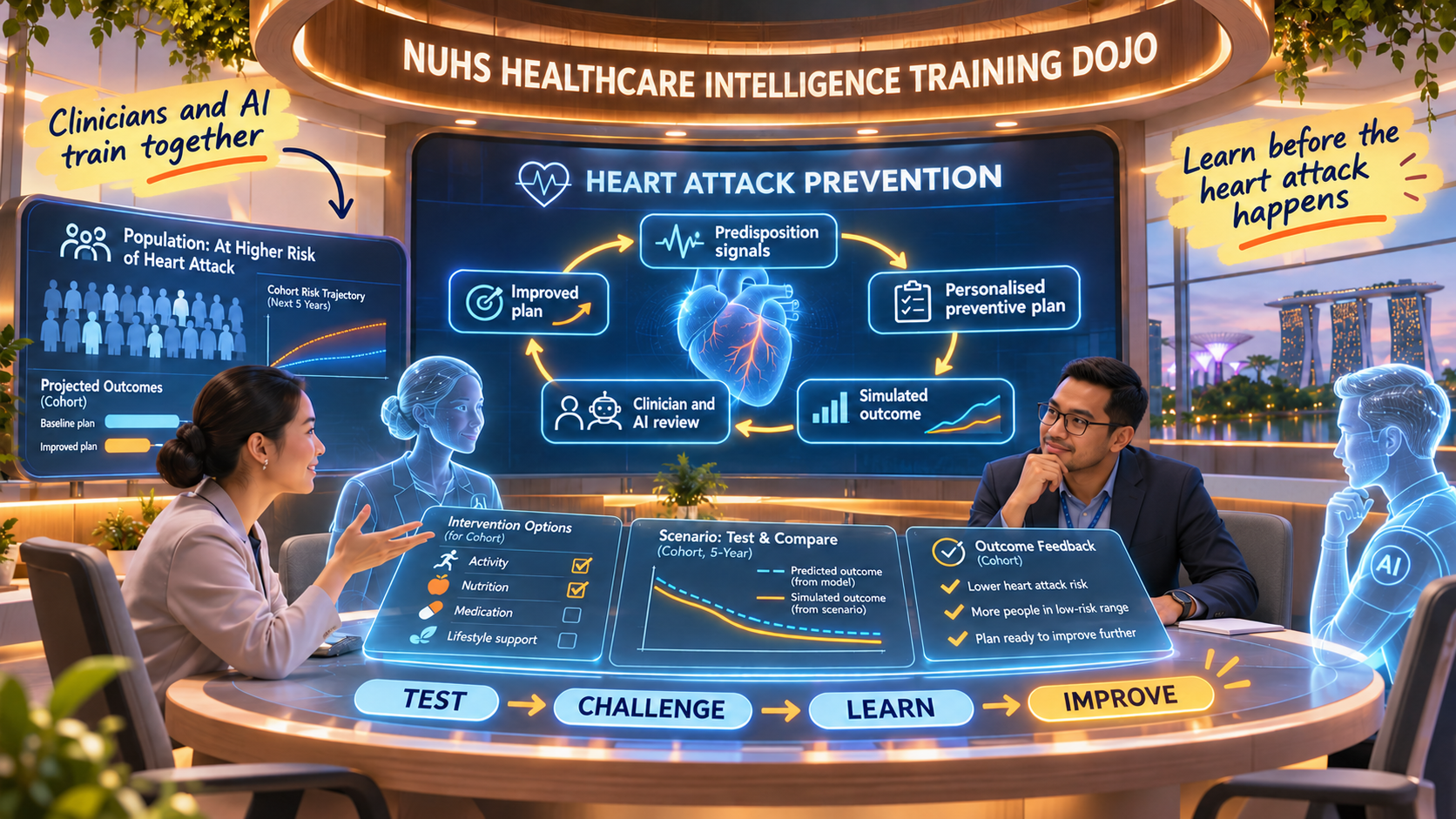
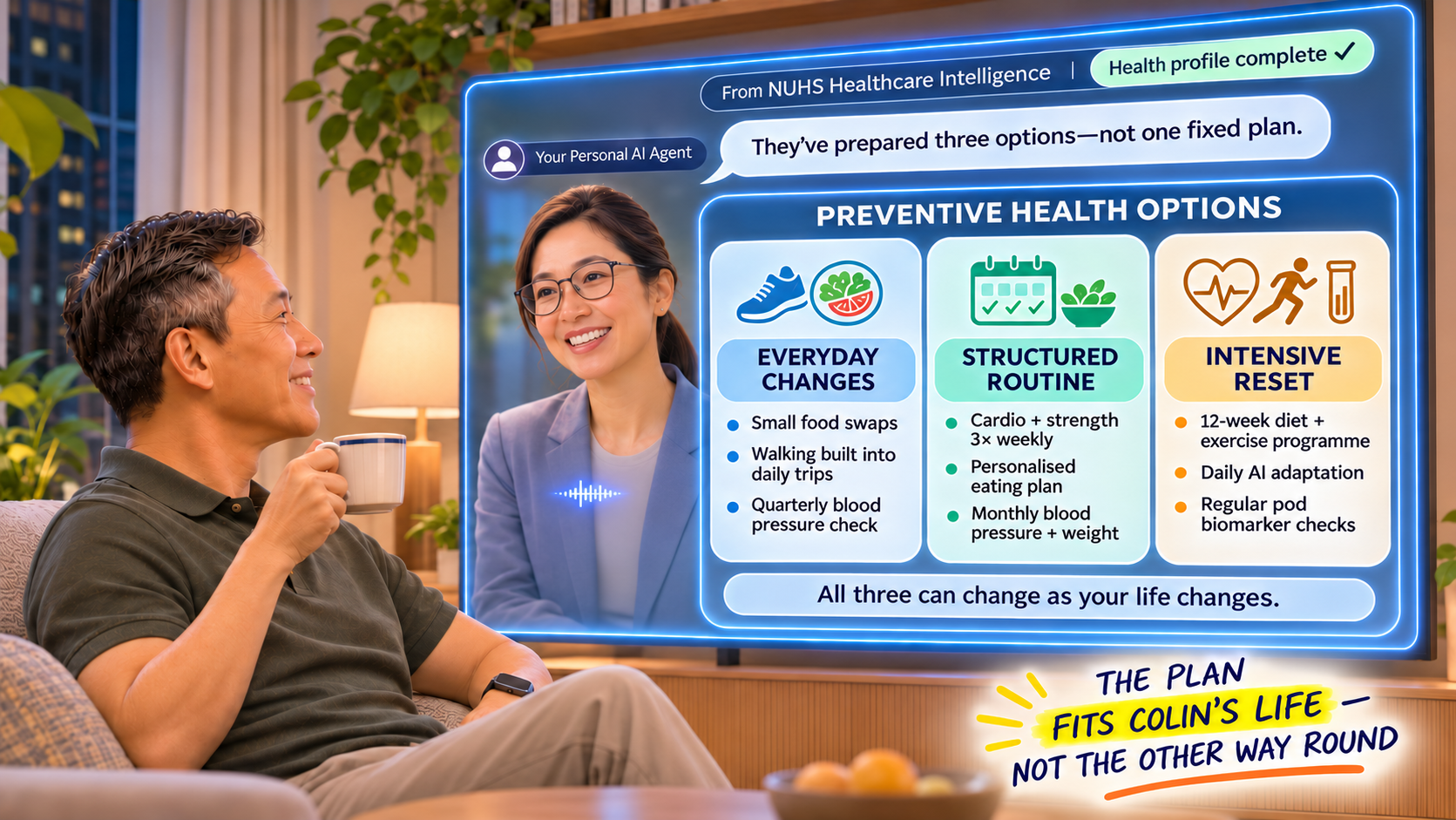
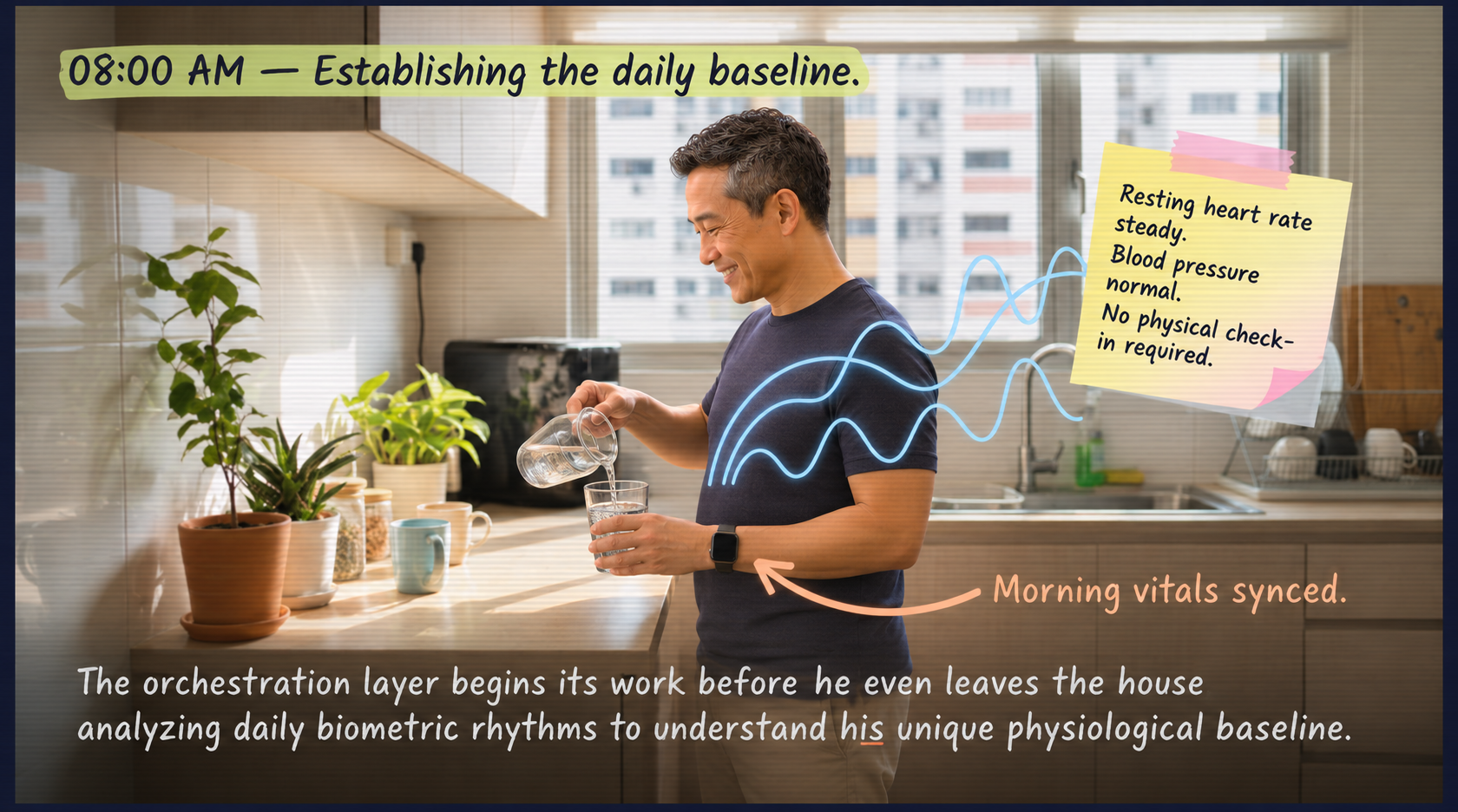
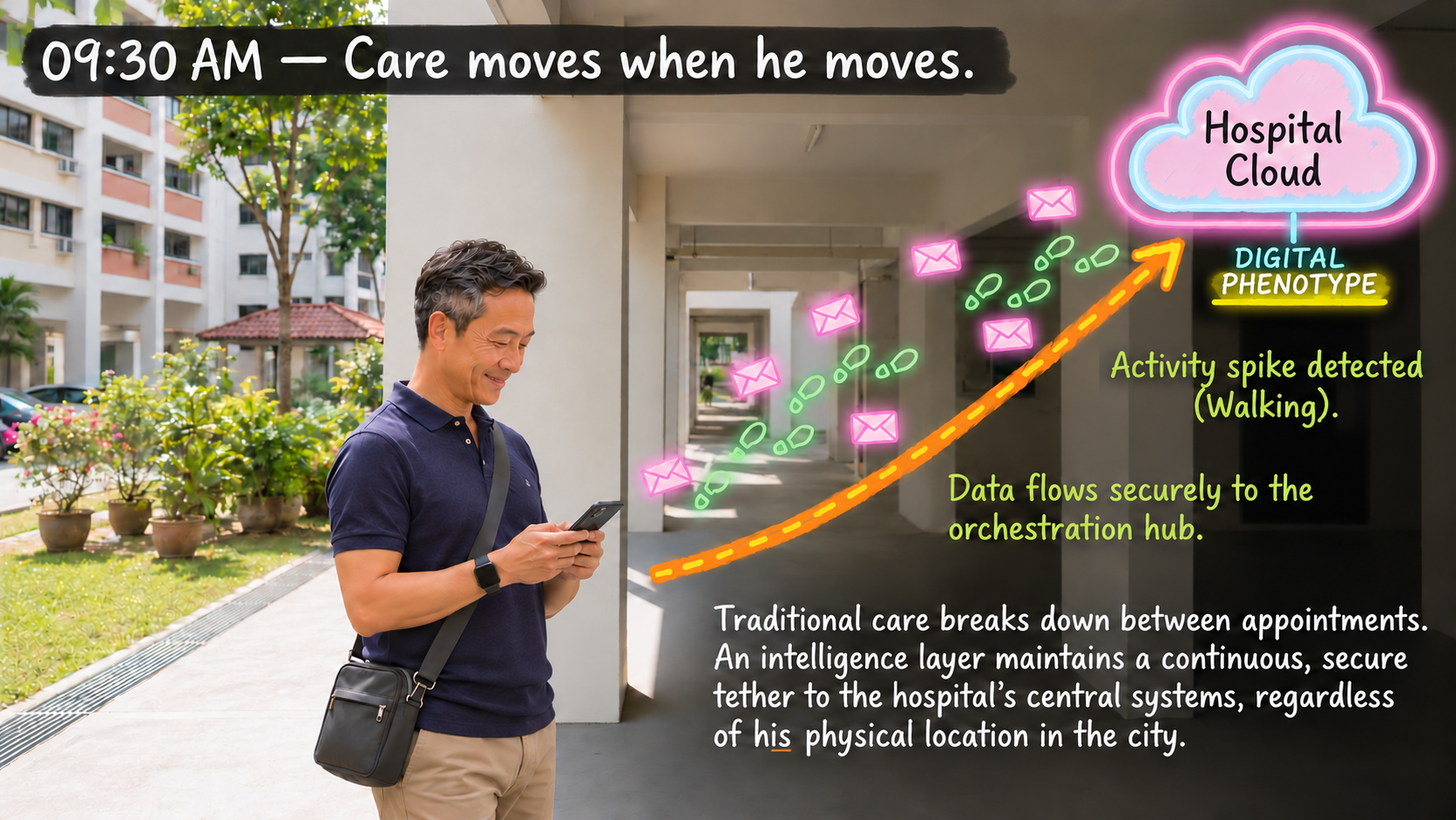
A vivid futuristic story
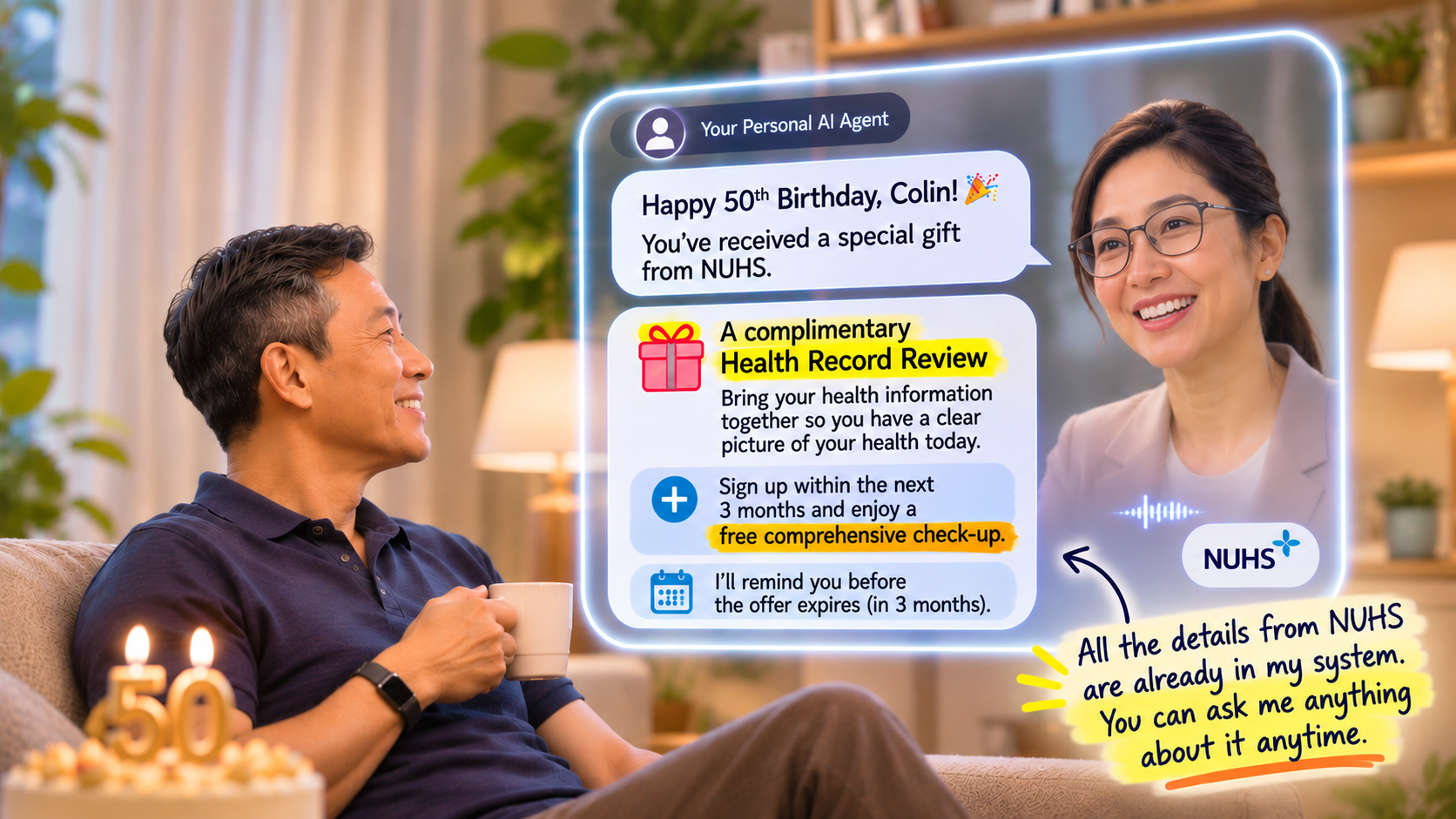
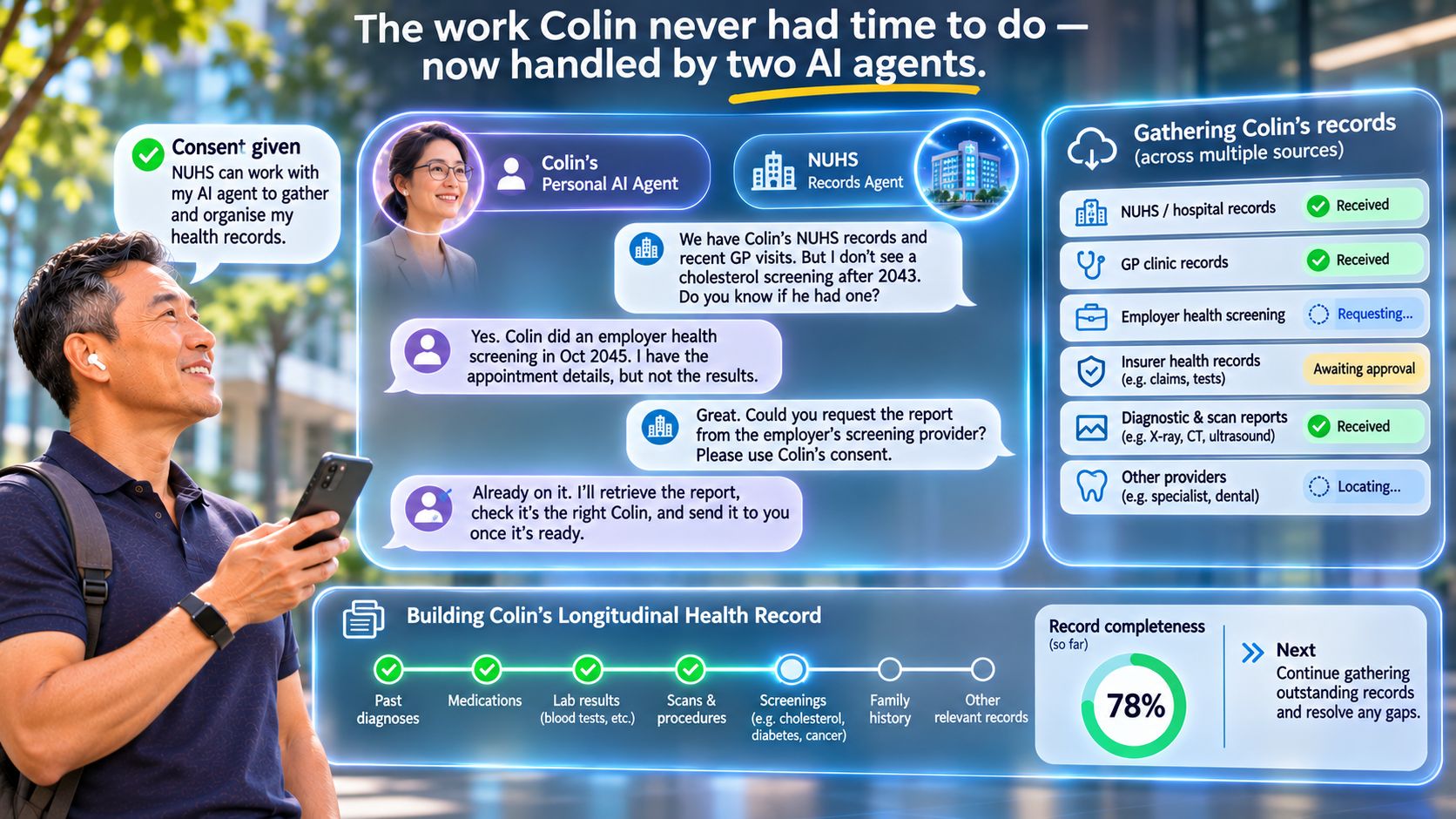
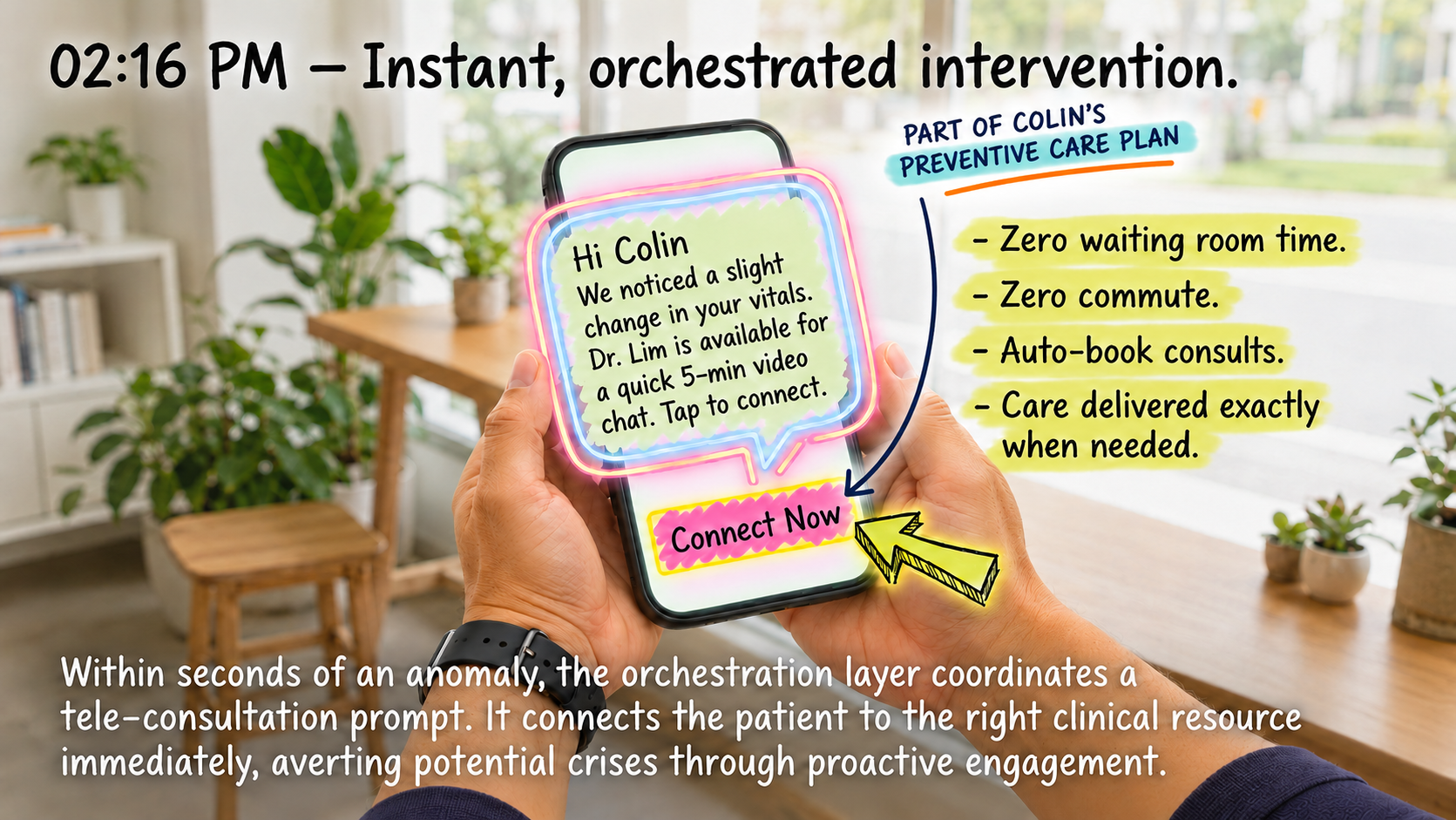
What if care reached Colin before he became a patient?
What if we challenged our workflows?
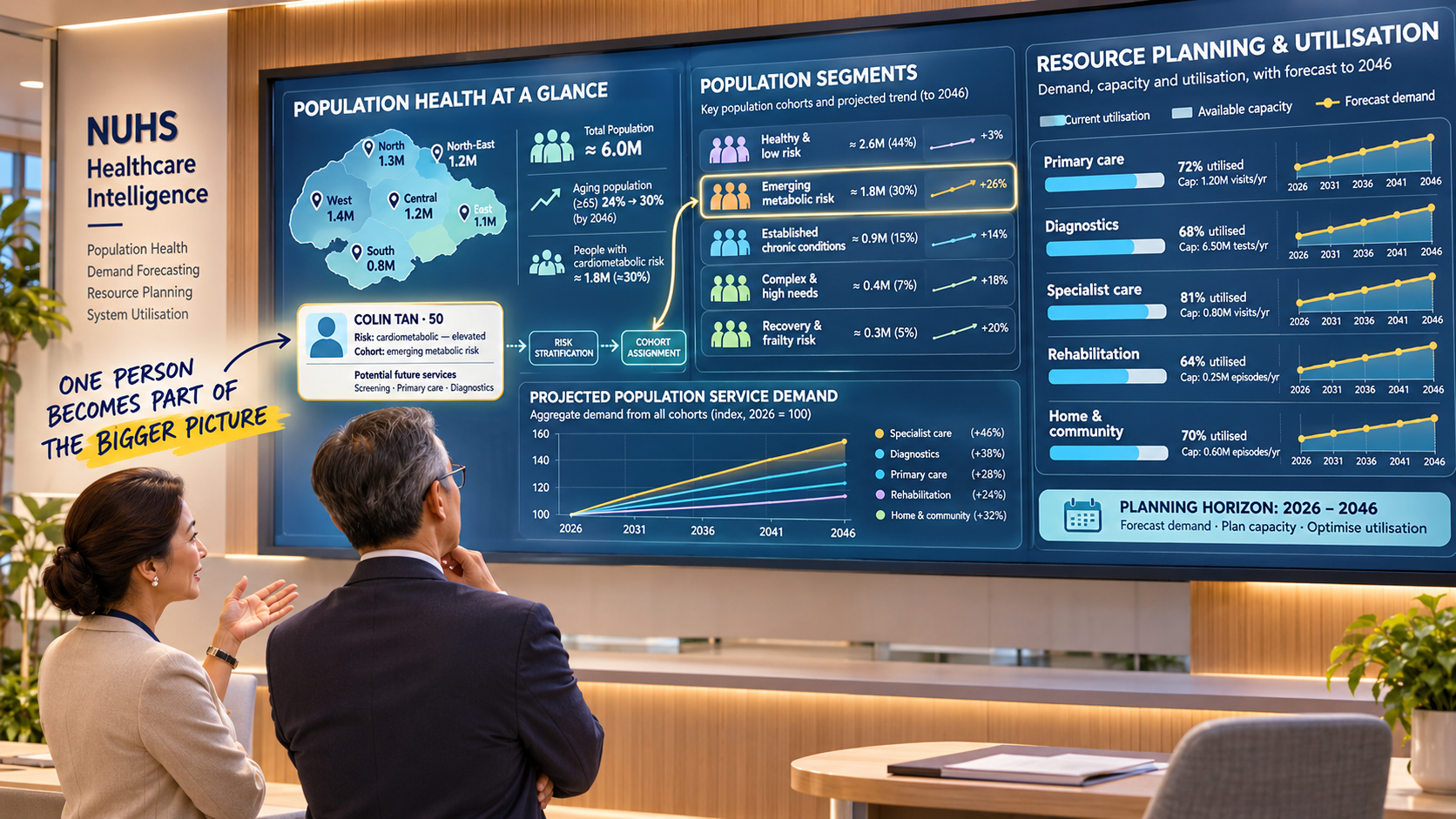
What if we could predict healthcare needs and resources?
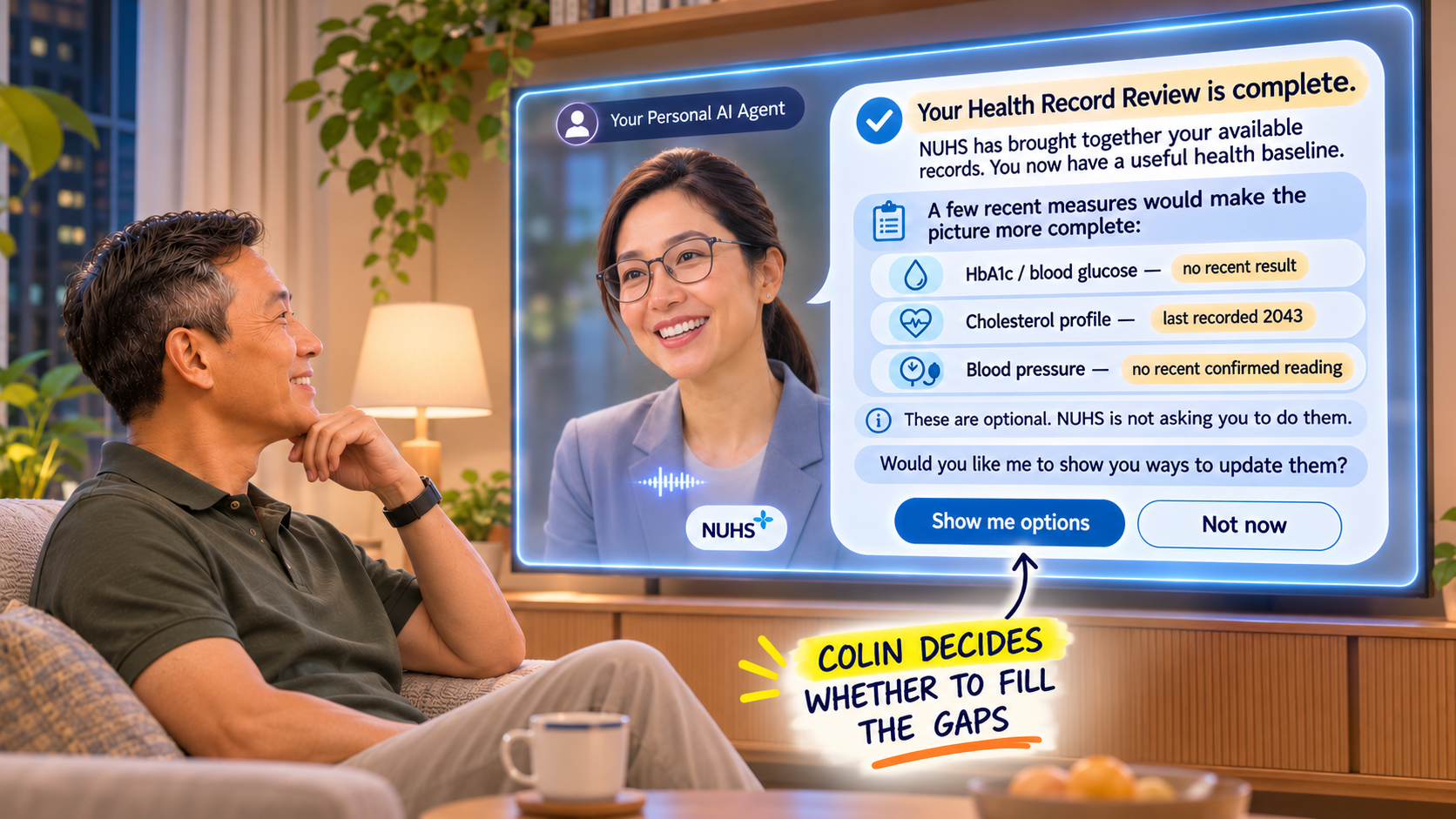
What if we knew your healthy baseline before anything changed?
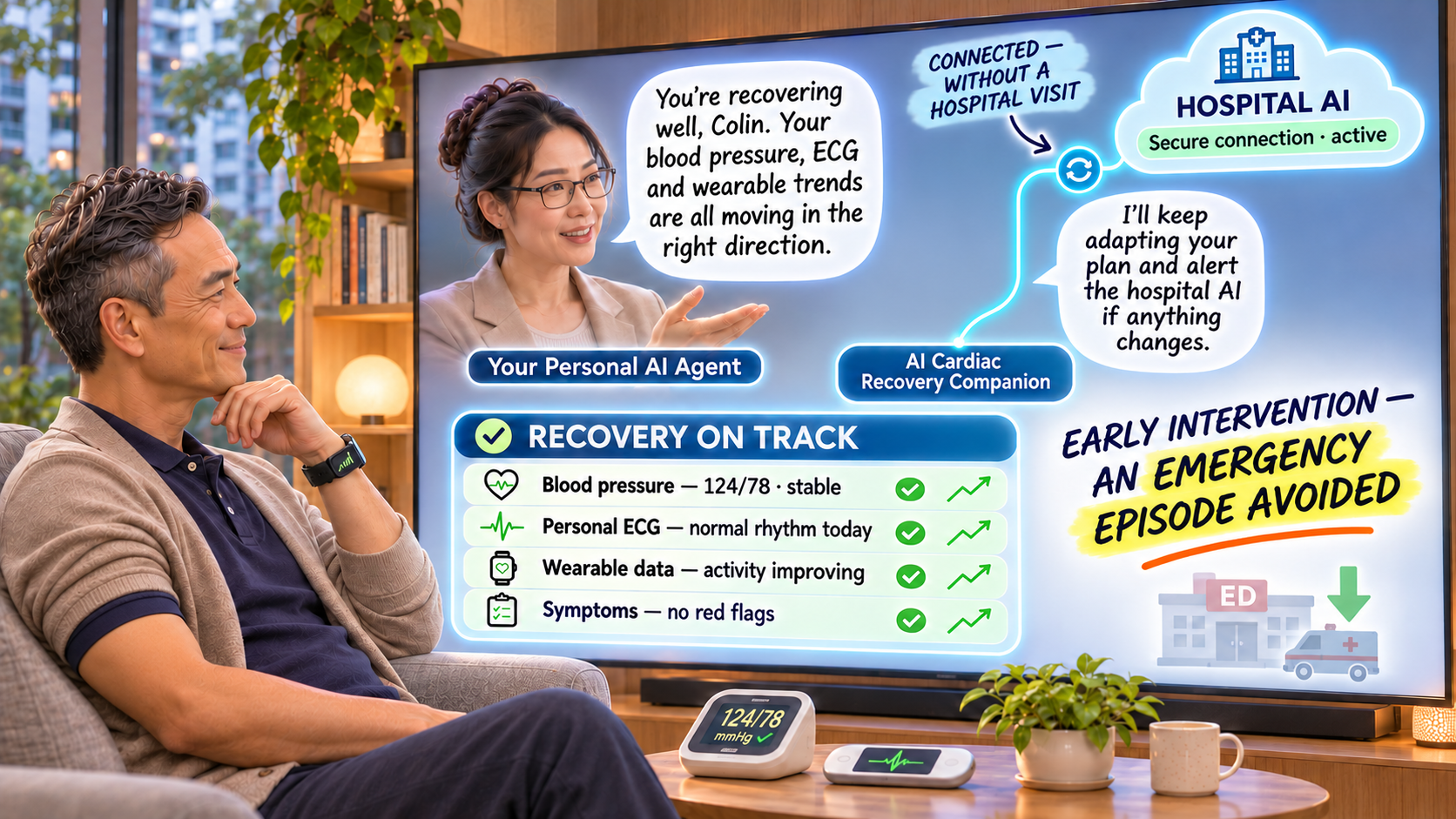
What if we deliberately reduce hospital visits?
What if we could stress-test our care plans with AI?
What if we change our one-size-fits-all approach?
What if care was continuous, not episodic?
What if care was invisible intelligence?
What if detection was proactive?
What if interventions were AI-powered?
What if every test did not require its own trained professional?
What if an AI companion could be prescribed as part of recovery?
What if routine follow-ups became shared consultations?
What if better outcomes required less high-cost clinical care?
Workshop Outline
Initiation
The Time Stream
Redefine healthcare
Return to the Present
Care is everywhere
The hospital as a physical destination will be a thing of the past. The hospital becomes an intelligence hub, orchestrating and distributing care.
From destination
Care is anchored around the hospital as the place people travel to.
To intelligence hub
The hospital coordinates signals, people, AI, and services across many care settings.
Care is human + AI intelligence
The hospital becomes a distributed care network where humans and AI intelligence work together across many settings.
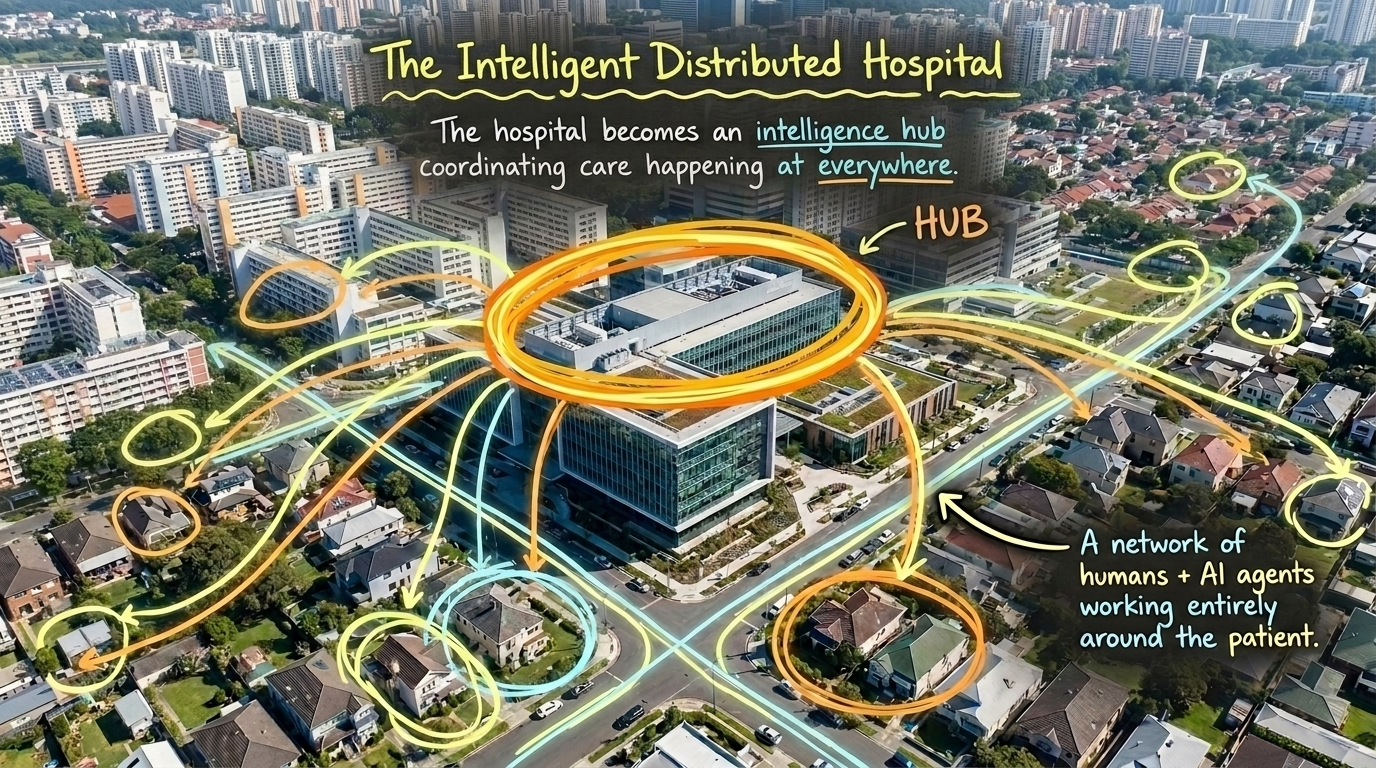
From site-based care
People move through separate services, teams, and care locations.
To distributed care
AI and care teams coordinate around the patient wherever care happens.
The hospital is the ecosystem
The hospital scales intelligence across the system, connecting data, decisions, people, and interventions in real time.
From institution
The hospital is understood as a place, a building, and a set of departments.
To ecosystem
The hospital becomes an intelligence layer that scales expertise across the care network.
For the patients
Care is no longer rationed by clinician time.
ONE CLINICAL DOOR
Appointments, referrals, and professional availability control access.
AROUND
ME